
The Great Aging-in-Place Gap: Why Seniors Want to Stay Home — But Aren’t Sure They Can

For years, surveys have consistently shown that most older adults want to remain in their homes as they age. The idea of aging in place appeals to many people because home represents familiarity, independence and comfort. It’s where memories were made, routines were built and communities were formed.
But recent data reveals a growing disconnect between what older adults want and what they realistically believe is possible.
According to AARP research, while most adults age 50 and older still prefer aging in place, many are becoming less confident that their homes or communities will fully support them as their needs change. In fact, newer AARP findings show that nearly half of older adults have that concern about their current living situation and support system.
At the same time, more adults over 50 now expect they may need to move in the coming years. That shift is changing the conversation around retirement living and long-term planning.
Why Seniors Want to Stay Home
The desire to age in place is understandable. Home offers emotional comfort and a sense of control that can feel difficult to leave behind.
Many older adults associate staying home with:
- Independence and autonomy
- Familiar surroundings and routines
- Emotional attachment and memories
- Close relationships with neighbors and local communities
- Comfort and privacy
For some retirees, remaining at home also feels like a way to maintain normalcy and continuity during a period of life already filled with change.
The concept of aging in place is also deeply tied to identity. After decades spent building a home and life, many people naturally want to remain in the environment they know best.
The Growing Reality Gap
While the desire to stay home remains strong, many older adults are beginning to recognize the practical challenges that may make aging in place more difficult over time.
Homes that once worked well may become harder to navigate safely. Tasks that once felt simple — maintaining the house, climbing stairs, preparing meals or driving to appointments — can gradually become more physically demanding.
Some of the most common barriers to successful aging in place include:
- Home maintenance and repairs
- Mobility limitations
- Social isolation
- Transportation challenges
- Rising healthcare needs
- Caregiver availability
- Financial strain from modifying a home for future needs
Even supportive neighborhoods may lack the infrastructure or services older adults need to remain fully independent long term.
For many, the concern isn’t whether they want to stay home — it’s whether home will continue supporting the lifestyle and care they may eventually need.
More Older Adults Expect to Move
One of the most notable shifts in recent research is the growing number of adults over 50 who now anticipate moving within the next several years.
That change reflects a broader awareness that planning ahead may provide more options, greater flexibility and less stress later on.
Increasingly, retirees are exploring communities earlier — before a crisis or urgent health need forces a difficult decision. Instead of waiting until maintaining a home becomes overwhelming, many older adults are proactively choosing environments designed to better support long-term independence.
This shift is also occurring as demand for senior living continues to rise nationwide. As the baby boomer generation ages, experts expect increasing interest in communities that combine lifestyle, wellness and future care support in one setting.
Rethinking What Aging in Place Really Means
For some older adults, aging in place no longer means staying in the exact same house forever. Instead, it may mean choosing a living environment that allows them to remain independent, supported and connected as their needs evolve.
That’s one reason Life Plan Communities are becoming increasingly appealing to proactive retirees.
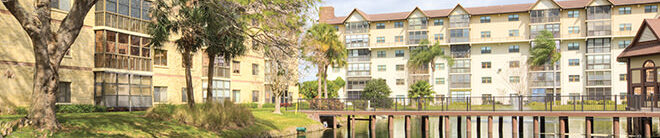
At Freedom Village of Bradenton, residents can enjoy an active, engaging lifestyle while also having access to additional levels of support if needs change over time. Rather than reacting to future challenges, residents can plan ahead with greater confidence and clarity.
This approach allows many older adults to continue enjoying independence without the uncertainty that can sometimes accompany staying alone at home long term.
Planning Ahead Creates More Flexibility
One of the biggest misconceptions about senior living is that it’s only necessary after a major health event or crisis. In reality, many residents choose to move while they are still active, independent and fully able to enjoy the lifestyle opportunities available.
By planning ahead, older adults often gain:
- More social connection
- Fewer home maintenance responsibilities
- Easier access to wellness and fitness opportunities
- Greater peace of mind about future care needs
- More flexibility as needs change over time
For many, that proactive decision ultimately supports the same goal that originally inspired their interest in aging in place: maintaining independence and quality of life for as long as possible.
Explore a More Flexible Approach to Aging in Place
At Freedom Village of Bradenton, residents can enjoy a lifestyle designed to support independence, connection and future flexibility — all within our award-winning community environment.
If you are thinking ahead about where you want to live as your needs change, explore how Freedom Village of Bradenton offers residences designed to support aging in place in our spacious cottage homes with greater clarity and flexibility. Schedule a visit today.